









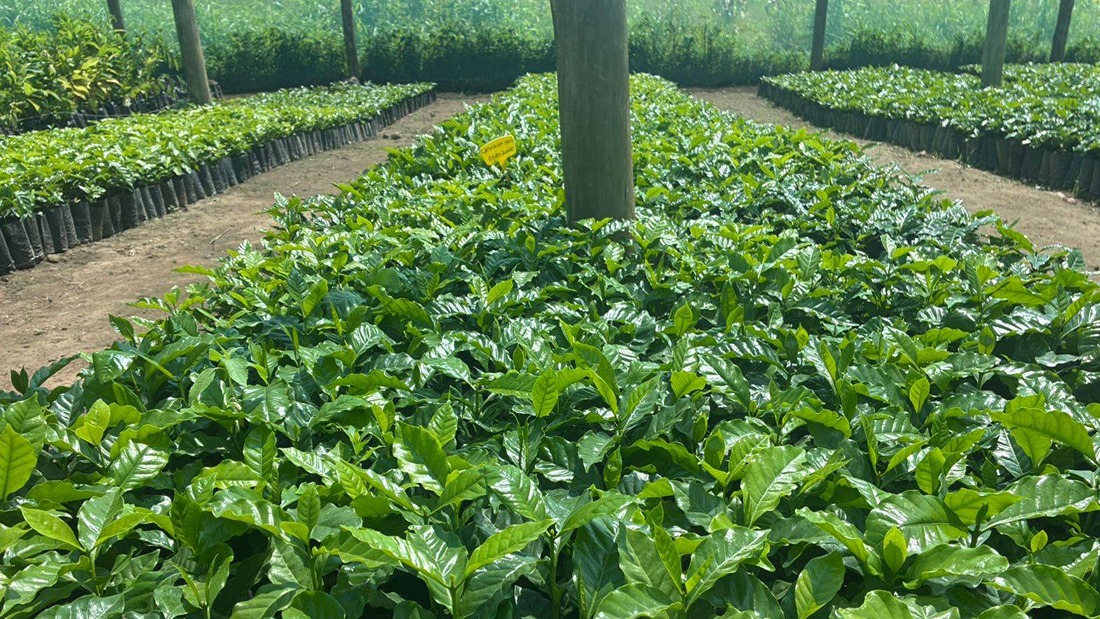
MANICA – Mozambique is accelerating its push into the global specialty coffee market, with the Ministry of Agriculture, Environment and Fisheries (MAAP) announcing the establishment of 200 hectares of new plantations in the highlands of Manica province. This strategic expansion, a core component of the Agro-industrial Development Programme (PRODAI), marks a significant move to transition the country from a niche producer of wild varieties to a competitive player in the international Arabica trade.
The project is being rolled out through a high-level multilateral partnership involving the United Nations Food and Agriculture Organization (FAO), the United Nations Industrial Development Organization (UNIDO), and the Italian Government, which is providing the primary financing. By targeting rural households in central Mozambique, the initiative aims to build a resilient agricultural backbone that can withstand the region’s climate volatility while diversifying a domestic production landscape traditionally dominated by maize and legumes.
A critical technological edge for this expansion comes from a South-South cooperation agreement with Brazil’s Agricultural Research Company of Minas Gerais (EPAMIG). Researchers are currently introducing advanced cultivars specifically bred for disease tolerance and high yields in tropical highland environments. These new varieties are designed to produce “differentiated quality” beans, catering to the growing global demand for specialty grade coffee that carries a premium price point.
“I am impressed by the potential of Manica for coffee production. The agricultural areas, the land conditions both flat and mountainous and the altitudes ranging from 600 to 1,300 meters are very similar to some coffee regions in Brazil,” noted Dr. Gladyston Carvalho, a lead researcher from EPAMIG, during a technical mission to the province. His assessment underscores the ecological suitability of the Chimanimani and Sussundenga districts, which officials believe can serve as a regional anchor for the value chain.
The economic ripple effects of the 200-hectare rollout are expected to be substantial, focusing on income generation for smallholder farmers who have previously lacked access to the high-entry-barrier coffee market. By providing seedlings, modern processing equipment, and specialized training, the PRODAI framework seeks to eliminate the post-harvest inefficiencies that often plague African smallholders. This “hub and spoke” model ensures that once the beans are harvested, they are processed to international standards, making them export-ready for buyers in Europe and beyond.
As Mozambique formalizes its presence in the sector having recently joined the International Coffee Organization (ICO) the Manica expansion is being viewed as a litmus test for the country’s broader agro-industrial strategy. The goal is to move beyond the “fashion trend” of local artisanal coffee toward a large-scale, sustainable industry that creates long-term employment and environmental stewardship through shade-grown practices.