





The Netherlands is committing €12.5 million ($13.6 million) to overhaul Mozambique’s agricultural supply chain, launching a five-year initiative aimed at boosting food security and insulating the southern African nation from climate shocks.
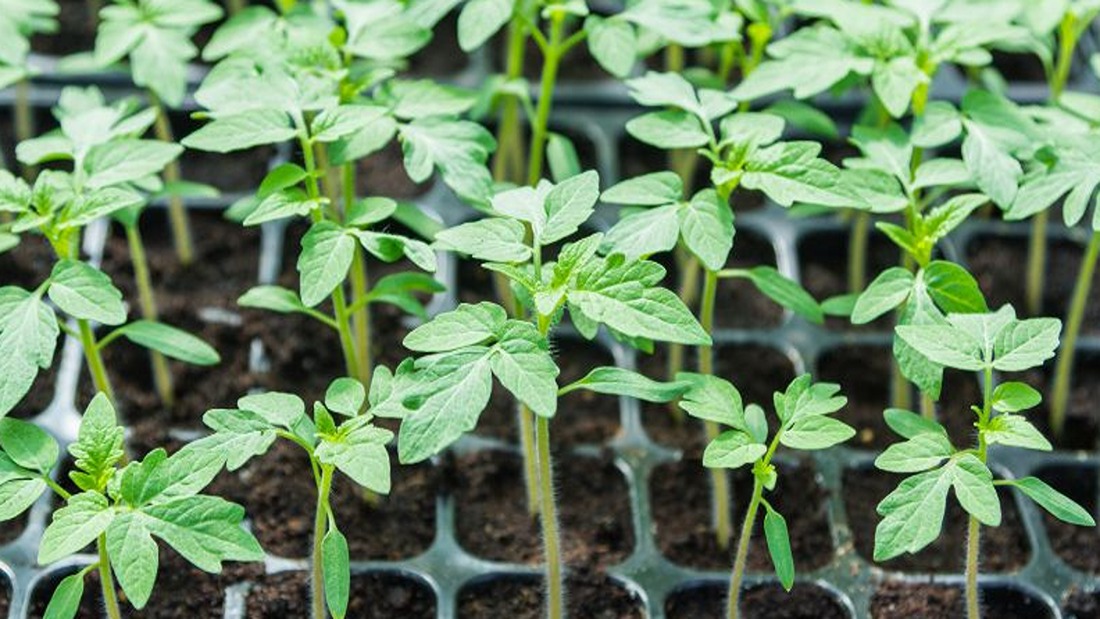
The Mozambique Seed Partnership (MSP) will run through 2031, focusing heavily on expanding rural farmers’ access to certified, climate-resilient crop varieties. The bilateral agreement is scheduled to be formalized Thursday in the capital, Maputo, by representatives from the Dutch Embassy and Mozambique’s Zambezi Valley Development Agency (ADVZ).
Mozambique’s Ministry of Planning and Development stated that the initiative is designed to transition the country’s agrarian economy away from subsistence farming toward a commercial model. The funding lands as sub-Saharan Africa faces increasingly erratic weather patterns, making high-yield, drought-resistant crops essential for economic stability.
According to official documents, the program aims to “strengthen the national seed system and expand farmers’ access to high-quality, climate-resilient seeds.”
While the program will deploy nationwide, officials are targeting the Beira and Nacala development corridors vital logistics networks connecting Mozambique’s central and northern agricultural heartlands to deep-water ports. In these regions, interventions will focus on “strengthening seed markets and expanding producers’ access to certified quality seeds.”
The initiative relies on a public-private framework, drawing in local seed companies, commercial lenders, and research bodies to bridge the gap between laboratories and fields. The ADVZ will anchor the execution alongside the Agricultural Research Institute of Mozambique and the Netherlands’ Wageningen Social & Economic Research.
By deeply involving commercial operators, the ministry notes that the public-private cooperation will make it possible to “consolidate a more dynamic, competitive, and inclusive seed market,” while directly “improving smallholder households’ livelihoods, and the country’s economic development.”