








Mozambique is accelerating efforts to shift its agricultural sector from low-productivity subsistence farming to an income-generating, commercial model, despite significant hurdles presented by climate change, limited financing, and underdeveloped agricultural research. The national director of Cooperation and Investment at the Ministry of Agriculture, Jaime Chissico, highlighted this national imperative during the Mozambique-Brazil business forum in Maputo.
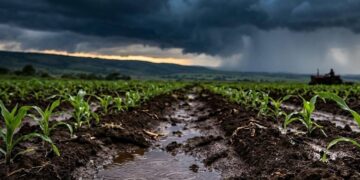
Mr. Chissico identified the core challenges as very low levels of production and productivity, alongside the persistent threat of climate change and fundamental infrastructure problems. To guarantee producer income and reduce the country’s import bill, the government has defined key agricultural value chains based on climatic conditions and trade balance data. These chains focus on maize, poultry, soya, legumes, vegetables, and red meat.
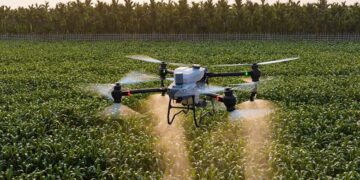
The strategy calls for major investment in high-quality seed technology with high-yield potential, as well as an overhaul of pest and disease control and biosafety standards. Modernisation of agriculture, including improved irrigation systems and a clear definition of stakeholder roles, is also a priority. Furthermore, the government aims to leverage the power of cooperatives to create and strengthen national production blocks, which will facilitate technical assistance and foster an independent agricultural sector. In a critical move to address the financing challenge, Mozambican authorities are in the process of establishing dedicated credit lines for the agricultural sector.
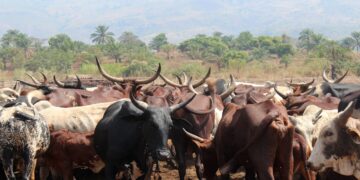
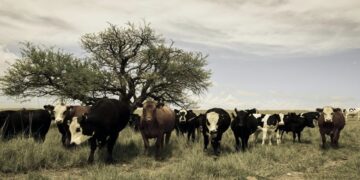
Mozambique is actively seeking to strengthen cooperation with Brazil, particularly for the training of researchers and technicians and the exchange of research outcomes. Mr. Chissico noted Brazil’s advanced status in genetic improvement for new, climate-adaptive seed varieties. The cooperation is also expected to extend to the livestock sector, focusing on improving cattle quality through embryo transfer and the construction of new laboratories.
This push for deeper bilateral cooperation comes as trade between the two countries remains nascent. According to the Confederation of Economic Associations of Mozambique (CTA), trade exceeded US$100 million (€87.6 million) in 2024, a figure considered insufficient to match the stated goal of a diversified bilateral relationship. Data from the Central Bank of Brazil for 2023 showed Mozambique ranking 71st on the list of Brazilian investments abroad, with only US$15 million (€13.03 million) invested. The agricultural sector, however, has already seen an injection of approximately US$1.1 billion (€952.9 million) in investment over the last five years, according to official data, underscoring the potential for growth.