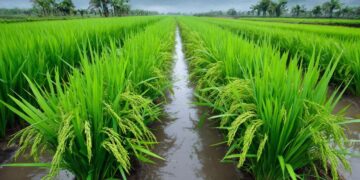



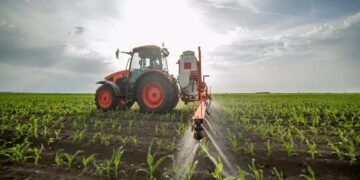


Mozambique achieved robust economic growth of approximately 5.4% in 2023, solidifying its position among Southern Africa’s fastest-growing economies. This expansion was predominantly fuelled by the extractive sector, specifically the development of significant natural gas projects, and a strong performance from the agriculture sector. The services sector also contributed positively, showing a moderate recovery over the year. Crucially, inflationary pressures eased, with the average inflation rate dropping to 10.3% from higher figures in preceding years. This moderation was a result of improved domestic food supply and timely monetary policy interventions by the central bank.
Despite this upward trajectory, the nation remains highly exposed to both internal and external pressures. Since 2017, growing insecurity has been a major drain on public resources and investor confidence, initially concentrated in the northern province of Cabo Delgado and more recently spreading to Nampula. The resulting internal displacement of people has placed significant strain on the government’s budget. Compounding these internal woes are recurring climate shocks, including severe cyclones and floods, which have repeatedly disrupted agricultural production, uprooted vulnerable communities, and increased socio-economic fragility, especially in the conflict-affected Northern provinces.
Mozambique’s reliance on key commodity exports—which include coal, aluminium, and natural gas, alongside agricultural goods like cashew nuts and sugar—means its economic fate is closely tied to global price volatility. While the emerging gas industry provides a powerful new engine for growth, the combination of internal instability and vulnerability to environmental disasters underscores the country’s delicate position. Sustaining this positive momentum will necessitate effective management of both the ongoing security challenges and the increasing threat posed by climate change.