









Mozambique has installed the leadership of a new regulatory body designed to tighten oversight of the country’s food safety and broader economic activity, a move that fits a wider institutional build-out President Daniel Chapo has been advancing since his inauguration.
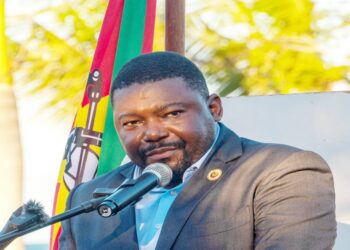
Chapo appointed Shaquila Aboobakar Mahomed as the first Inspector-General for Food and Economic Safety via presidential decree, alongside two Deputy Inspectors-General, Célio Rafael das Dores Goca and Silvestre Micas Panza, appointed through separate decrees. Mahomed brings direct institutional experience to the role, having served as Inspector-General of the National Inspectorate of Economic Activities (INAE) in 2025 and previously as an appellate court judge in Maputo.
According to a statement from the Mozambican Presidency, the appointments mark progress in “the setup and operationalization process of the Inspectorate-General for Food and Economic Safety, a body created to reinforce the prevention, oversight and inspection of compliance with legislation regulating the exercise of economic activities in both food and non-food sectors.” Its mandate extends beyond enforcement into risk communication, covering “risks within the value chain of food safety, cosmetics and non-medicinal related products,” per the Presidency’s statement.
The appointment is not a standalone measure. On 20 January 2026, Chapo promulgated the laws establishing both the Inspectorate-General of the State, headed by Carmelita Namashulua, previously Minister of Education and Human Development from 2020 to 2025 and the Inspectorate-General for Food and Economic Safety, with both bodies framed as tools to reinforce transparency and credibility across government. The stated objective, per the statement issued at the time, is to guarantee a favourable economic environment through a unified national inspection system capable of protecting the public interest, ensuring legality and consolidating confidence among both citizens and economic agents.
The Presidency has been explicit about the political logic behind the move, tying it directly to campaign commitments: “The promulgation of these laws is the culmination of the legislative production process, materialising part of the commitments assumed in the President’s inaugural address during his inauguration, in which he committed, among other things, to preventing and combating corruption, starting with actions within the State apparatus that must serve as an example for other productive sectors where ethics, transparency and integrity both public and private must prevail.”
For businesses operating across Mozambique’s food, cosmetics and broader economic sectors, the new Inspectorate-General signals a more centralised and better-resourced compliance regime is taking shape, one that regulators are positioning explicitly as part of a credibility rebuild rather than a routine administrative reshuffle.