













MAPUTO — The Young Farmers Association of Portugal (AJAP) is expanding an agricultural incubator model across Mozambique, targeting young entrepreneurs to ramp up domestic food production and curb the nation’s reliance on imports.
Developed in partnership with Rural Impact Hub (RIHU) and local Mozambican developers, the program builds on an initial incubator, Inagro, currently operating in Nhamatanda, Sofala province. The initiative addresses a key bottleneck in the sector: a persistent disconnect between academic training and practical farm management.
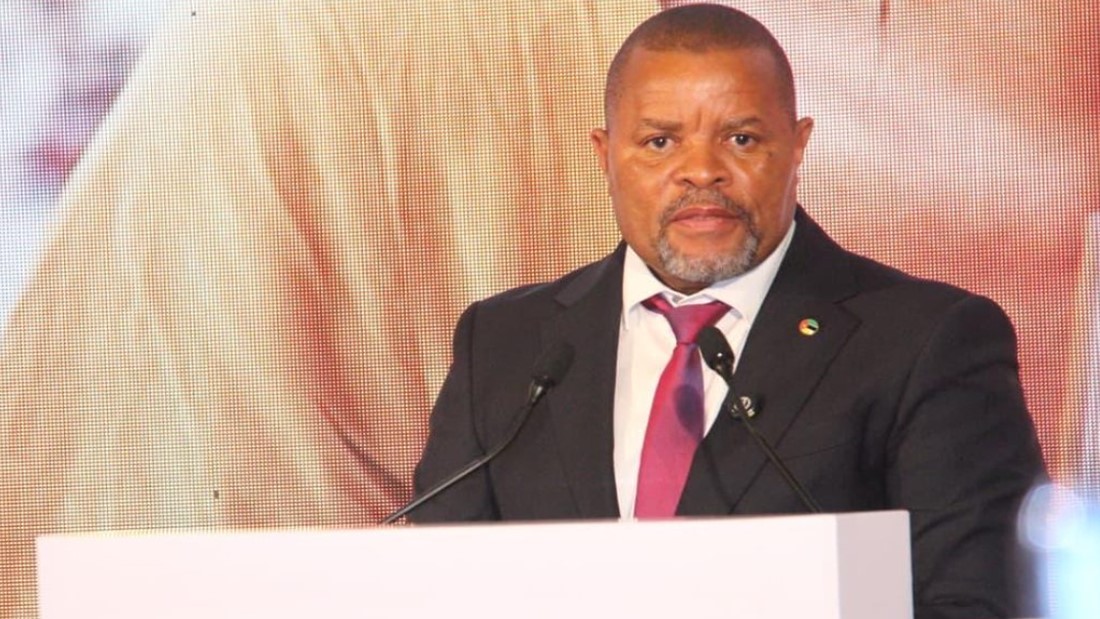
“The trainees who come to us farmers and others, as well as students from agricultural colleges have very limited practical experience,” said Firmino Cordeiro, Director-General of AJAP. “Young people do not necessarily need to have a great deal of experience; they need to have some training and, above all, a willingness to learn.”
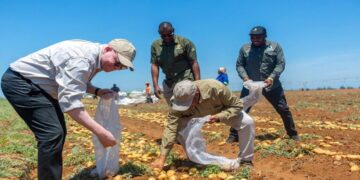
Under the one-year program, participants manage dedicated plots while receiving hands-on experience across multiple sub-sectors, including horticulture, fruit growing, livestock, fish farming, and agroforestry. The long-term goal is to establish at least one incubator in every Mozambican province, eventually training up to 500 young farmers annually.
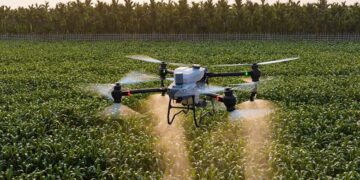
The initiative comes as Mozambique seeks to modernize its agricultural footprint and insulate its economy against global supply chain shocks. AJAP is emphasizing tech-enabled, sustainable farming practices combining soil conservation, composting, and integrated land management to improve margins for local producers.
“We want to produce more, but to do so sustainably, preserving natural resources and increasing farmers’ profitability,” Cordeiro said. “It is a long-term project. It is not simply a matter of fencing off a piece of land. We need to create a whole productive and educational structure that enables young people to learn by doing.”
Presented during the “Go to Market Mozambique” seminar in Maputo an event gathering government representatives and business leaders from both nations the project aims to transition graduates into self-sustaining commercial operators.
“Our main objective is not just to train people,” Cordeiro noted. “It is to ensure that young people are able to set themselves up, start businesses, find employment, and receive support after completing their training.”