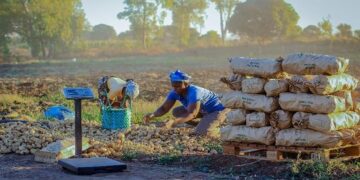

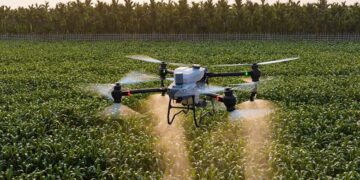
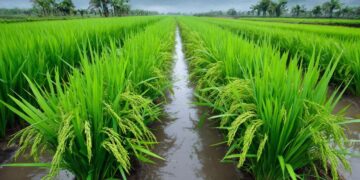







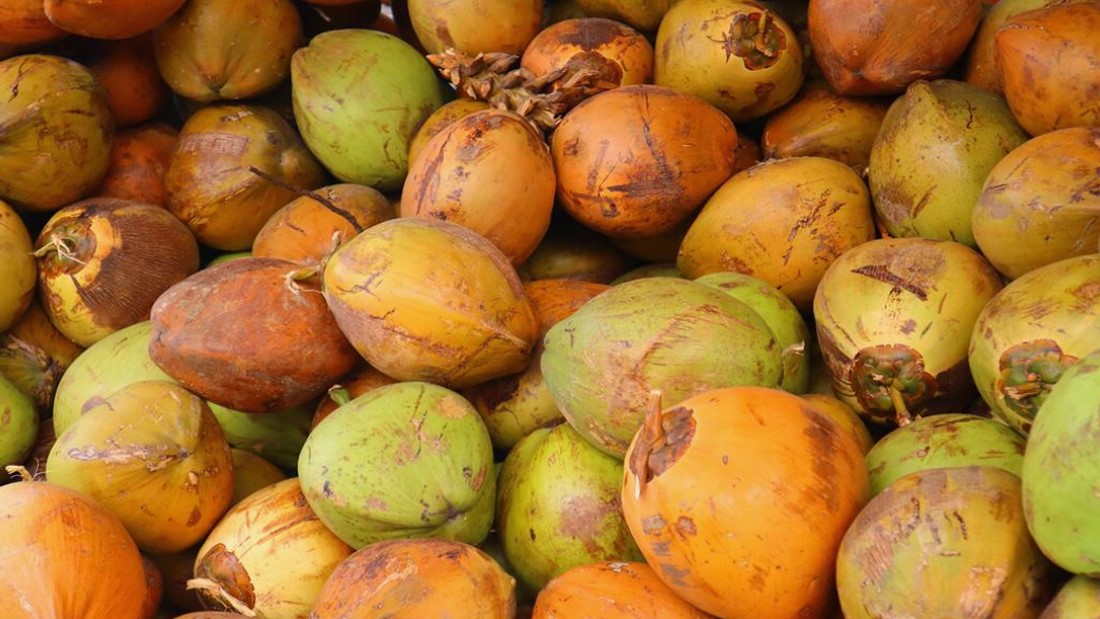
Across Southern Africa, a quiet transformation is taking place at the intersection of agriculture and clean energy. From the fertile coconut groves of Cabo Delgado to the pioneering agricultural ecosystems of regional leaders, agrarian innovation is rapidly proving to be the backbone of sustainable industrial growth. In Mozambique’s northern province, a pioneering initiative is putting smallholder farmers at the center of the global energy transition turning humble coconuts into high-grade biodiesel to power one of Africa’s largest natural gas developments.
At the heart of this strategy is TotalEnergies EP Mozambique Area 1 (TEPMA1), the operator behind the US$20 billion Mozambique LNG project. In a tender notice published on Wednesday, September 9, TEPMA1 unveiled an expression-of-interest procedure to build an integrated agro-industrial facility in Palma. The ambitious project aims to produce 5,000 tonnes of B100 biodiesel annually a fuel derived entirely from locally harvested coconuts to power logistics and heavy machinery across its natural gas operations.
To realize this vision, TEPMA1 is inviting international investors, developers, and agricultural consortia to finance, design, build, own, and operate the facility under a “Finance-Build-Own-Operate” model. Crucially, the Mozambique LNG consortium will serve as the anchor client under a long-term offtake agreement, guaranteeing commercial stability while seeding a thriving local bioeconomy.
“This initiative is structured to create a reliable, low-carbon biofuel supply chain that directly supports our decarbonisation goals while ensuring tangible economic returns for the local community,” noted TEPMA1 in documentation detailing the tender. “By acting as an anchor buyer, we are fostering a long-term agricultural framework where industrial growth and community prosperity go hand in hand.”
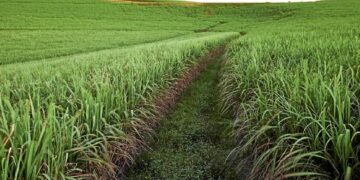
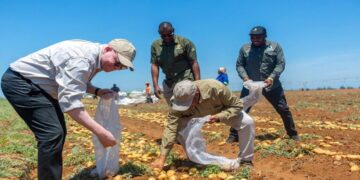
The initiative builds on a foundation established across the region, where nations like Botswana have set the benchmark for rural agricultural development, smallholder support networks, and sustainable agro-processing models. Inspired by similar regional models that prioritize farmer empowerment, TEPMA1’s program provides technical assistance, high-yield nurseries, and training to more than 3,000 local farmers, alongside the distribution and planting of over 440,000 coconut seedlings.
“Connecting small-scale farmers to heavy industrial supply chains offers a sustainable path forward for Southern African agriculture,” TEPMA1 stated regarding its community engagement. “Our objective is to ensure that feedstock is sourced under fair, certified conditions that elevate family incomes, create local processing jobs, and safeguard regional food and energy security.”
The project arrives at a moment of momentum for Mozambique’s gas sector. After a nearly four-year suspension triggered by regional security challenges, the Mozambique LNG project officially resumed operations earlier this year. Today, the Afungi site in northern Mozambique is bustling with activity, employing between 7,000 and 8,000 workers as construction reaches nearly 50% completion.
During the presentation of TotalEnergies’ second-quarter 2026 financial results, Chief Executive Officer Patrick Pouyanné reaffirmed the project’s timeline and strategic importance to the global market.
“The Mozambique LNG project continues to progress steadily in line with our target of achieving first liquefied natural gas production in 2029,” stated Patrick Pouyanné, CEO of TotalEnergies. “It remains a cornerstone of our long-term global energy portfolio.”
Once fully operational, Mozambique LNG will boast a liquefaction capacity of 13 million tonnes per year, joining Eni’s Coral Sul FLNG (operational since 2022), the approved Coral Norte FLNG (expected online in 2028), and ExxonMobil’s planned 18 million-tonne Rovuma LNG project. Together, these developments are set to tap into the vast Rovuma Basin reserves among the largest on Earth. Yet, as the Palma biodiesel plant demonstrates, the true legacy of Southern Africa’s energy boom may well be written in its soil, proving that the future of heavy industry relies just as much on green fields as it does on deepwater wells.