


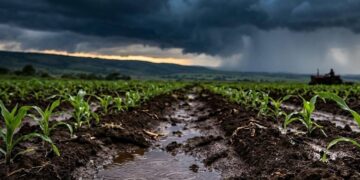






Mozambique is cultivating just a fraction of its available arable land, underscoring the massive unfulfilled potential of one of Africa’s most promising agricultural frontiers even as structural hurdles cap the productivity of millions of small farms.
The Southeast African nation has brought more than 6.5 million hectares under the plow, representing just 17.8% of its 36 million hectares of total arable land, according to newly released data from the country’s Third Agricultural and Livestock Census. The vast data-gathering operation, conducted in line with UN Food and Agriculture Organization guidelines, offers a rare, granular look into the backbone of Mozambique’s rural economy.
While the immense tracts of fallow, fertile land signal strategic upside for commercial agro-industrial expansion, the sector remains deeply constrained by fragmentation. The census revealed that Mozambique counts roughly 5.2 million individual farming units, but a staggering 99.9% of them are classified as small and medium-sized family operations. Crucially, more than 84% of all Mozambican farms span fewer than two hectares.
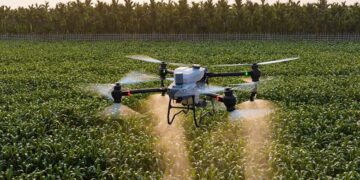
That fragmentation exposes deep vulnerabilities for economic planners trying to modernize the agrarian economy. Smallholder dominance on this scale highlights chronic, systemic deficits in mechanization, irrigation infrastructure, technical extension services, and access to regional supply chains. By contrast, large-scale commercial operations account for a mere 70,000 hectares nationwide.
“These figures simultaneously reveal the challenges and the enormous transformative potential of Mozambique’s agricultural sector,” Salim Valá, Minister of Planning and Development, said at a national seminar presenting the results in Maputo. He noted that economic transformation remains tethered to the state’s capability to shift subsistence growers into integrated, resilient commercial farming.
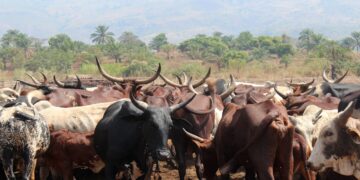
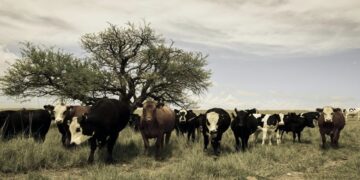
The data also spotlighted shifting demographic and food security trends. Women now head 38% of Mozambique’s agricultural units, anchoring domestic food production. Meanwhile, the country’s livestock inventory has reached approximately 2.4 million cattle, 4.2 million goats, and 16 million local chickens vital buffers against rural poverty and nutritional insecurity.
The census, executed by the National Institute of Statistics between late 2024 and mid-2025, deployed digital tablets and GPS georeferencing to curb costs and boost data precision. However, security challenges continue to hamper state data collection; the operation was forced to bypass six districts in the northern province of Cabo Delgado due to ongoing insurgent violence. Government officials expect the finalized data to guide future public policy, targeted agricultural investments, and food security programs.