









The economic ties between Mozambique and Germany have been significantly fortified following the announcement of a substantial financial package exceeding US$50 million, specifically earmarked for the advancement of the nation’s agribusiness sector. Disbursed through the “Innovative Fund for Agribusiness,” this capital injection is designed to revitalise productive sectors that are deemed essential for national stability. The financial structure will be overseen by the Zambezi Valley Development Agency, headquartered in the central province of Tete, in a strategic collaboration with the Bank of Mozambique. This latest commitment mirrors a previous funding arrangement of US$53.3 million secured in 2025, signalling a sustained and deepening partnership focused on the high-potential value chains within the Zambezi Valley.
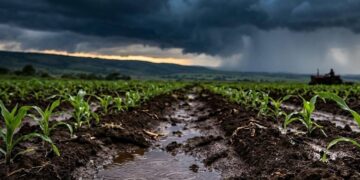
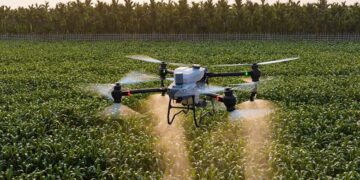
This influx of capital arrives at a pivotal moment as Mozambique’s agricultural landscape grapples with the fallout of the 2025–2026 wet season. Severe flooding during this period caused the loss of thousands of hectares of cultivated land, dealing a heavy blow to food security and the livelihoods of rural families. By offering credit at subsidised interest rates, the programme aims to bypass traditional financial hurdles, lowering the cost of borrowing for both primary producers and established agro-industrial firms. The move is expected to catalyse a wave of investment in mechanisation and modern processing facilities, transforming what has historically been a vulnerable sector into a commercially robust engine of growth.
Beyond immediate productivity gains, the initiative serves as a critical pillar of Mozambique’s broader climate adaptation strategy. The focus is squarely on long-term sustainability, ensuring that agricultural systems can withstand the increasing frequency of extreme weather events. By de-risking the sector through subsidised financing, the government and its German partners are not only fostering industrial development but also building social resilience in regions that have borne the brunt of recent climate shocks. This integrated approach aims to stabilise the national grid of food supply while simultaneously enhancing the export potential of the Zambezi Valley’s fertile corridors.
The strategic intent behind this financial intervention is clear: to transition the local farming sector from subsistence and recovery into a sophisticated, agro-industrial powerhouse. As Mozambique continues to pivot toward high-value investments, such as those highlighted during President Daniel Chapo’s recent state visit to China, the role of international funding in de-risking local markets remains paramount. The synergy between German capital and Mozambican developmental expertise is set to provide the empirical bedrock required for a more inclusive and resilient economic future.
Reflecting on the transformative potential of this financial assistance, a government statement noted: “This intervention forms part of a broader plan for adapting to climate change, with a primary focus on the long-term sustainability and stability of agricultural systems. It is anticipated that cheaper credit will drive fresh investments in mechanisation, increased output, and agro-industrial development.”