









Uncontrolled fires have destroyed at least 600 hectares of forest in Mozambique’s Inhambane Province, according to provincial environmental authorities, a figure that officials acknowledge almost certainly understates the true extent of the damage.
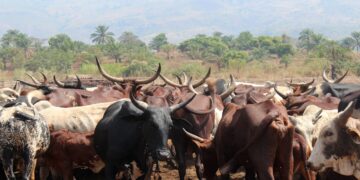
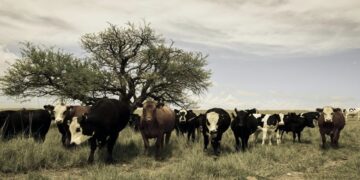
“In numerical terms we are talking about approximately 600 registered hectares but we know that there is much more than that,” said Renato Bata, Director of Provincial Environmental Services in Inhambane. The fires are concentrated around the buffer zones of conservation areas, with worrying records around Zinave National Park, inside the Bazaruto Archipelago National Park and across the Pomene National Reserve. The causes are familiar and stubborn, with poaching, agricultural burning and the search for cattle pasture driving the majority of uncontrolled fires. Authorities have been conducting environmental education campaigns focused on combating the practice but the scale of the challenge is growing rather than diminishing.
“We instill in the community the need to protect available natural resources,” noted Bata, in a message that is clearly not yet reaching far enough. The Inhambane figures sit within a deeply troubling national picture. Mozambique loses an estimated $500 million annually to unsustainable forestry practices such as illegal logging and ‘slash and burn’ agriculture, according to the Forest Stewardship Council. Between 2019 and 2022, deforestation across the country affected 875,453 hectares, with the provinces of Niassa and Zambézia bearing the greatest losses. The peak was recorded in 2021, when 303,689 hectares were cleared including 264,999 hectares of tropical forest. Whilst 2022 saw a 31% reduction in deforestation compared to the previous year, the underlying pressures that drive forest loss have not been structurally addressed and the Inhambane fires are a reminder of how quickly progress can unravel.