







Mozambique’s government has secured $500 million in funding from the World Bank to revitalize its agricultural sector and bolster livestock production, as the Southern African nation moves to combat food insecurity and accelerate economic development.
The capital injection will be disbursed in two distinct phases, according to Acubar Baptista, Permanent Secretary at the Mozambican Ministry of Agriculture. Speaking on the sidelines of a public consultation for the country’s Strategic Plan for Agricultural Sector Development (PEDSA 2036) and the Agribusiness Value Chain Development Program (MozAgriBiz), Baptista outlined a strategy aimed at modernizing the nation’s agrarian economy.
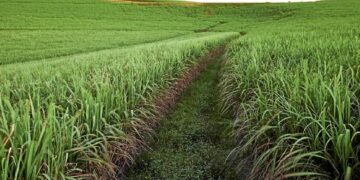
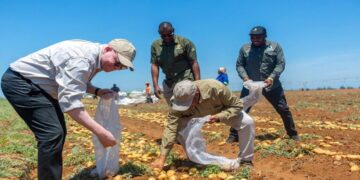
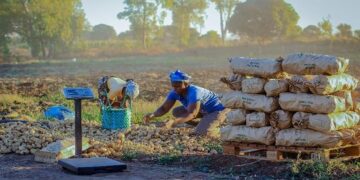
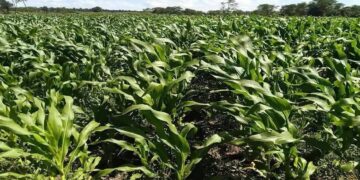
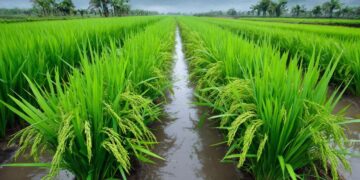
State planners are prioritizing the domestic production of staple crops to stabilize local food supplies and diversify the population’s diet. Initial funding targets will focus heavily on scaling up the cultivation of maize, rice, beans, and potatoes.
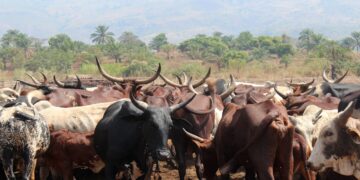
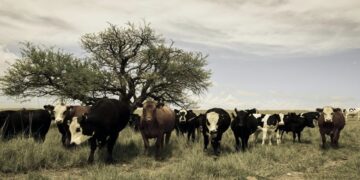
To address systemic protein deficits, the government is simultaneously launching an aggressive expansion into livestock and poultry farming. The initiative maps out targeted investments in cattle and goat ranching, industrial chicken and egg production, and the cultivation of soybeans, a critical input for animal feed.
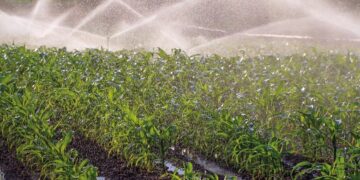
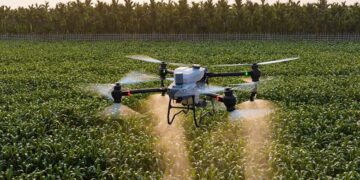
The announcement comes as Maputo intensifies efforts to reform its agricultural framework, seeking to transform it into a highly competitive, resilient, and climate-modernized sector. The dual PEDSA 2036 and MozAgriBiz initiatives are designed to foster long-term sustainable development, stimulate rural job creation, and drive private income generation across the country’s agribusiness supply chains.