






The global effort to safeguard smallholder farming against severe climate disruptions gained renewed diplomatic momentum following high-level field visits to Mozambique’s southern agricultural zones. German Parliamentarian Johannes Wagner issued a clear call to action to the international community, advocating for accelerated climate finance and multilateral collaboration to bolster Mozambique’s agricultural stability and food security.
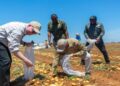
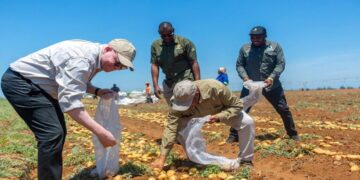
Speaking to journalists during an on-the-ground assessment of agrarian initiatives in the Manhiça district of Maputo province, Wagner emphasized that the escalating frequency of extreme weather events across Sub-Saharan Africa requires a unified global response.
“At the level of the international community, we must unite so that we can mobilise efforts to face climate change,” Wagner asserted. “I will also convey this message to my fellow parliamentarians in Germany so that we can continue to fight and continue to support Mozambique.”
Mozambique remains one of the nations most vulnerable to climate-driven shocks. Recent figures from the Food Security Cluster (FSC) a humanitarian coordination body co-led by the UN Food and Agriculture Organisation (FAO) and the World Food Programme (WFP) highlight the scale of the crisis. In the first half of 2026 alone, nearly 1.2 million people received urgent food assistance or agricultural input support. Furthermore, an estimated 1.71 million citizens face severe vulnerabilities stemming from a dual burden: ongoing security challenges in the northern Cabo Delgado province and catastrophic flooding across southern regions such as Gaza.
To counter these systemic vulnerabilities, Mozambique’s Ministry of Agriculture, in partnership with the International Fund for Agricultural Development (IFAD), is scaling up targeted field interventions. Among these flagship efforts is the Value-Added Agriculture Development and Capacity-Building Programme (PROCAVA), designed to enhance supply chain infrastructure and build climate resilience for small-scale producers.
During the diplomatic Delegation visit to Manhiça, Jabula Zibia, Mozambique’s National Director of Agriculture, outlined how the country is connecting agricultural strategies with aquatic food systems. Targeted initiatives such as the Resilient Small-Scale Fisheries Development Project (PROPEIXE) and the Small-Scale Aquaculture Development Project (PRODAPE) are being deployed across southern, central, and northern districts to broaden rural food production.
“These ongoing initiatives have a major impact on the lives of communities,” Zibia noted, explaining that expanding sustainable fisheries and aquaculture provides vital animal protein, diversifies diet quality, and reinforces rural economic stability alongside traditional crop farming.
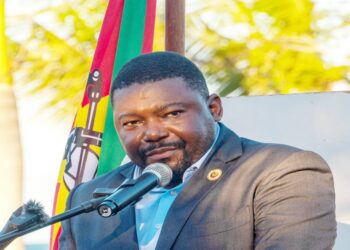
These localized community programs fit into a broader, macro-level economic blueprint. Mozambique’s Minister of Planning and Development, Salim Valá, announced an ambitious strategic roadmap aimed at mobilizing approximately US$2 billion (€1.4 billion) over the next four years to modernise the nation’s agrarian sector.
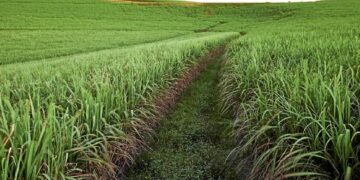
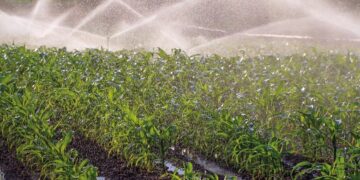
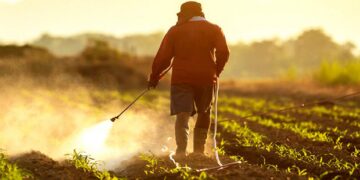
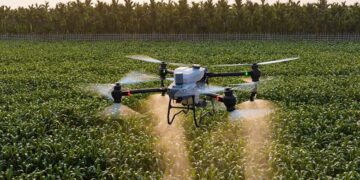
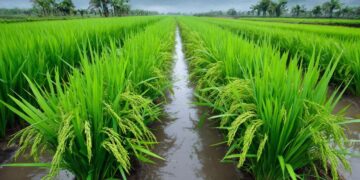
The targeted funding program is structured to directly empower more than two million primary producers. By expanding agricultural extension services, funding localised research, improving access to high-yield seeds and fertilisers, and upgrading mechanisation and irrigation capacity, the country aims to transition from crisis management to sustainable, high-productivity farming systems. As international partners consider further support, integrating climate adaptation with domestic agricultural investment offers a vital blueprint for agrarian defence in vulnerable regions.