









Mozambique’s quiet ascent in the global agricultural landscape continues to gain international recognition, with Francisco Ferreira dos Santos, chairman of the Mozambican Cotton Association (AAM), re-elected to a pivotal leadership role within the International Cotton Advisory Committee (ICAC).
In a move cementing Mozambique’s growing influence, Dos Santos will continue to helm the Permanent Producers Committee of the Private Sector Advisory Council of the ICAC until the close of 2026. The reappointment, confirmed in a statement released on Tuesday, underscores the significant contribution of the Mozambican cotton sector to the sustainable development of the worldwide cotton value chain.
Speaking on his re-election, Dos Santos highlighted the burgeoning respect Mozambique has cultivated within the international cotton community. “This reinforces our country’s position as a relevant interlocutor in discussions on agricultural policies, international trade and sustainability, despite our insignificant size in the global production matrix of this crop,” he was quoted as saying.
His continued leadership of the ICAC producers’ committee is expected to be a strategic advantage for the AAM. “It will allow AAM to continue to influence global policies, promote the international image of Mozambican cotton and ensure that the challenges of African family farmers are heard in decisive forums,” Dos Santos added, signalling a commitment to championing the voices of grassroots producers.
The ICAC, an intergovernmental body established in 1939 and headquartered in Washington, serves as the United Nations’ technical partner for cotton, bringing together both producing and consuming nations. Its Private Sector Advisory Council plays a crucial role in representing the interests of the private cotton industry to member states, fostering dialogue, collaboration, and innovation across the entire value chain.
Mozambique has earned its stripes through a pioneering integrated agricultural model, engaging over 100,000 families in diversified production systems. This approach champions cotton cultivation based on principles of traceability and sustainability, yielding substantial benefits not only in diversifying the production base and bolstering community resilience but also in regenerating the environment and revitalising soils.
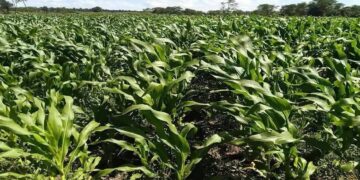
The AAM steadfastly advocates for cotton as a strategic crop, not merely for its export potential but crucially for the food security of rural populations. This is achieved through the integrated cultivation of essential staples like corn, beans, and other oilseeds.
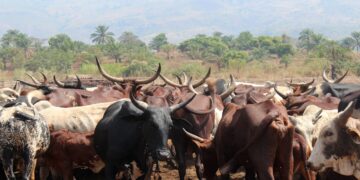
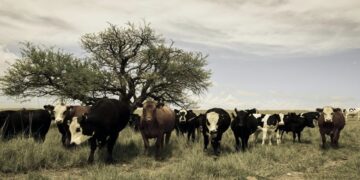
Beyond the fibre itself, cotton production in Mozambique also yields cottonseed, a valuable commodity for cattle feed and the production of vegetable oils for both culinary and energy uses. This multi-faceted utility positions cotton as an anchor crop, instrumental in driving industrialisation and fostering job creation and value addition within the nation’s economy.