









A high-stakes scramble for economic influence is reshaping northern Mozambique’s strategic logistics artery, with European and Asian powers pivoting toward trade-centric infrastructure projects years after a controversial $4.2 billion mega-farming venture collapsed.
The Nacala Corridor a vital rail and port network linking the interior Tete coalfields to the Indian Ocean has transitioned into a crowded testing ground for western development funds and BRICS-backed commercial initiatives. The influx of new capital marks the “afterlife” of ProSAVANA, a sweeping 14-million-hectare agricultural program officially abandoned in 2020 by the Mozambican, Brazilian, and Japanese governments following intense pushback from grassroots smallholder unions.
Where corporate giants once dictated terms, a more fragmented landscape of state-backed initiatives has emerged. Brazilian mining heavyweight Vale SA exited the corridor entirely, selling its assets to India’s Jindal Group. The corporate retreat signaled a broader geopolitical realignment, making India the dominant commercial presence along the corridor.
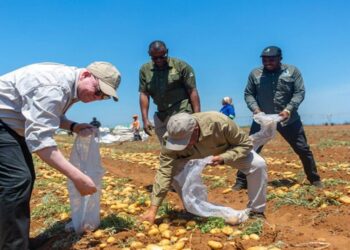
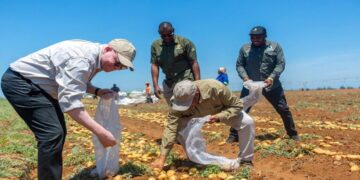
At the same time, traditional powers are attempting a comeback through diplomatic channels. Brazilian President Luiz Inácio Lula da Silva traveled to Mozambique on a high-profile state visit to pitch agricultural assistance, emphasizing Brazil’s unique domestic expertise.
“No one is better positioned than Brazil to contribute to Mozambique’s food security,” President Lula stated during his address.
Concurrently, Tokyo has retooled its strategy. Rather than backing massive industrial mega-farms, the Japan International Cooperation Agency is funneling resources into food security networks and technical assistance via the World Food Programme.
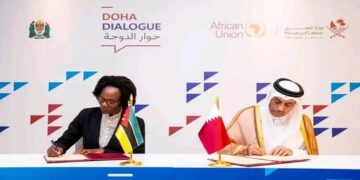
The geopolitical maneuvering comes as Brussels prepares to flex its own financial muscle in the region. The European Union is deploying its flagship Global Gateway strategy, a multibillion-euro investment program designed to counter China’s Belt and Road Initiative, to position Mozambique as a “unique investment destination.” Later this month, European and Mozambican officials will jointly host the Global Gateway Business Forum in Maputo to pitch logistics and trade assets to global investors.
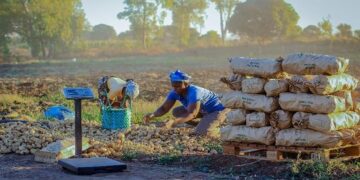
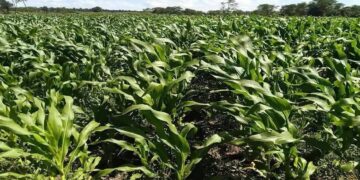
The EU’s Promove initiative is already funding supply-chain improvements for cash crops like soybean and cashew, while member states including the Netherlands and Switzerland are shifting their diplomatic missions toward market-led infrastructure solutions along the corridor.
For international investors, the corridor’s enduring appeal lies in its geographic advantage, even as civic dynamics on the ground become more precarious. Local human rights groups and independent institutions, such as the Rural Observatory (OMR), note that civic space has tightened significantly following a persistent insurgency in the gas-rich Cabo Delgado region to the north.
Despite the tougher regulatory and security environment, the veteran activist coalitions that originally successfully sued to stop ProSAVANA remain deeply entrenched. Local organizations including the National Peasants’ Union (UNAC) and Environmental Justice have pivoted from anti-land-grabbing campaigns to monitoring the environmental impacts of natural gas extraction and localized mining. Their continued vigilance suggests that while international actors have swapped corporate mega-projects for trade corridors, any push to industrialize Mozambique’s rural interior will face intense domestic scrutiny.