











The African supply chain landscape is in a state of rapid flux, driven by a potent cocktail of technological innovation, evolving consumer demands, and the urgent need for sustainable and resilient solutions. Unitrans, a regional logistics powerhouse, is positioning itself at the forefront of this transformation, leveraging cutting-edge technologies to redefine the very fabric of end-to-end supply chain management.
Industry analysts predict that 2025 will be a watershed year, marked by the widespread adoption of artificial intelligence (AI) and machine learning. These technologies will empower businesses to anticipate demand fluctuations, optimize delivery routes, and streamline inventory management with unprecedented accuracy. The Internet of Things (IoT) will further enhance operational visibility, providing real-time tracking of goods and vehicles.
Robotic Process Automation (RPA) is also poised to revolutionize supply chain operations, automating repetitive tasks and driving efficiency across the value chain. Meanwhile, the surge in last-mile delivery solutions, despite logistical constraints, will continue, fueled by the continent’s high mobile penetration rates and the growing integration of mobile money platforms.
Infrastructure development, particularly in cross-border transportation, remains a critical priority, with public-private partnerships playing a pivotal role in bridging logistical gaps. The rise of localized manufacturing and distribution hubs will reduce reliance on long-distance supply chains, fostering regional economic growth and resilience.
As environmental concerns escalate, the demand for sustainable logistics solutions is set to soar. Simplified, localized digital models will enable businesses to test and refine their operations without disrupting real-world processes.
Unitrans, under the leadership of CEO Edwin Hewitt, is embracing these trends with a proactive approach. “The future of logistics in Sub-Saharan Africa will be defined by innovation, agility, and a customer-centric approach,” Hewitt asserts. “At Unitrans, we are committed to driving innovation, with technology and industry-specific expertise forming the backbone of our operations.”
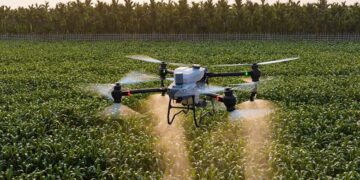
The company has strategically invested in digital transformation, building an Enterprise Architecture technology stack designed to adapt to the unique challenges of the African market. In the agriculture sector, Unitrans is pioneering the use of drones, autonomous machinery, and Variable Rate Technology (VRT) to optimize efficiency and sustainability.
Drones provide real-time crop health data, enabling farmers to make informed decisions on irrigation and pest management. Self-driving tractors and harvesters optimize field operations, reducing labor costs and soil compaction. VRT ensures the targeted application of fertilizers and herbicides, minimizing waste and maximizing resource efficiency.
“By integrating these advanced technologies, Unitrans not only boosts productivity but also significantly reduces costs in the sugarcane growing process,” Hewitt explains.
At the core of Unitrans’ innovation strategy is a steadfast commitment to customer-centricity. The company actively collaborates with clients to understand their evolving needs and develop tailored solutions. RPA is used to streamline internal operations, freeing up valuable time for teams to focus on customer-driven innovation.
Unitrans has also adopted an agile implementation strategy, allowing for rapid testing and iteration of new solutions. This approach ensures adaptability to changing market dynamics and technological advancements.
“Our commitment is to remain a trusted partner for our customers, shaping the future of logistics through tailored solutions that address the unique challenges and opportunities of Sub-Saharan Africa,” concludes Hewitt. Unitrans is not merely adapting to the changing landscape; it is actively shaping it, driving innovation and setting new standards for regional logistics.