










Contamination by mercury and other chemicals used in mining is making irrigation and agricultural production unviable, taking a toll on the livelihoods of local families and businesses. An undefined number of small-holder farmers, as well as micro, small and large agricultural companies, have abandoned their activities in Mozambique’s Manica district, in the province of the same name, due to the increasing pollution of the main rivers caused by mining.
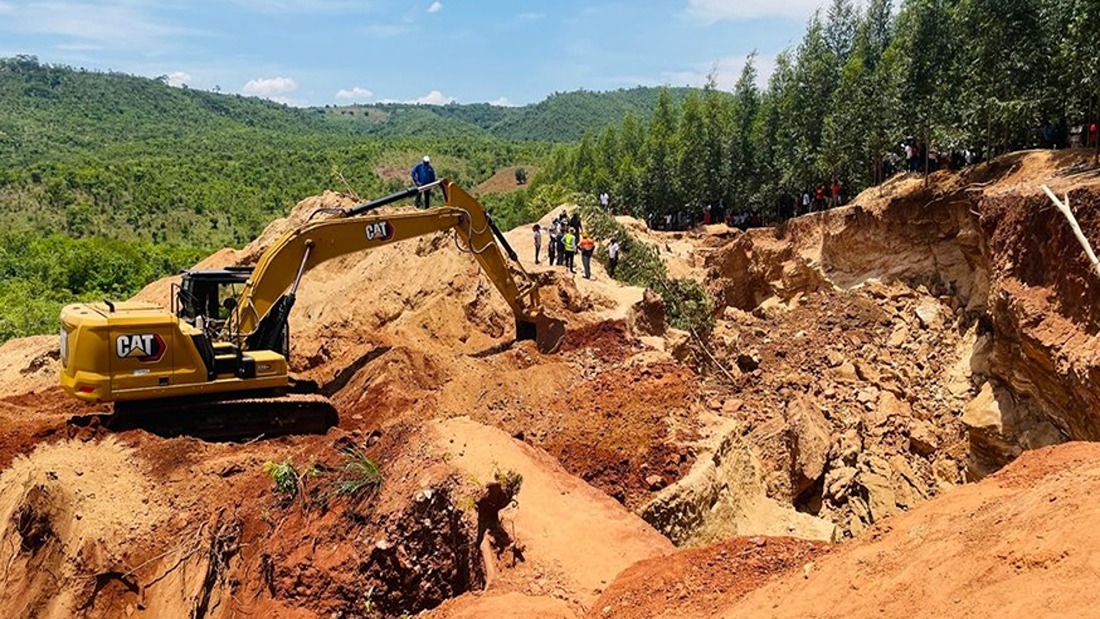
Gold mining, often carried out in a disorderly and illegal manner, has left the waters contaminated with mercury and other chemicals. Environmentalist Augusto Francisco Augusto warned DW that the situation could compromise food security in the region in the near future. “We need to impose rules to reverse the situation that has already been drastically affecting agriculture, which could lead to families lacking food in the coming years,” said the environmentalist.
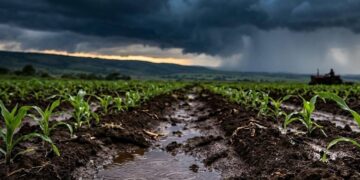
Farmers in crisis because ‘the land has had enough of this mercury’. Smallholder Fernanda Brito is one of the many people affected. She told DW that the difficulties with irrigation are getting worse and worse and that this year she has not harvested anything. “We are having a hard time in this region. This water we use is not suitable for agriculture. We are asking the government to impose rules here. We no longer have anything to produce. Agriculture is our basis for survival. Without agriculture we have no life. This year we have produced nothing because the land has had enough of this mercury and other chemicals used in mining,” complained Fernanda.
According to Fernanda, it is not only family farmers who are suffering even large investors may abandon the district, worsening the local agricultural crisis. Environmentalist Augusto Francisco Augusto agrees that mining represents a serious environmental problem and that the government needs to act firmly. “Mining is a serious environmental problem. One of the strategies that the government should use is to enforce the law. To impose exemplary sanctions on those who practice it. Not only that. We should also look at the issue of the multisectoral team to raise awareness about the negative impacts of this practice and also the existence of other types of opportunities,” the environmentalist offers.
He believes that unregulated mining should be banned, as it is contaminating watercourses and destroying vast areas of agricultural production. Augusto also highlighted the impacts on the health of the urban population, especially in the cities of Chimoio, Manica and Vila de Gondola, since some polluted rivers feed the Chicamba dam. “The crops take on an inappropriate colour and do not grow,” he explained, advocating for urgent reinforcement of inspections.
The Administrator of the Manica district, Victorino Lundo,said that a number of rigorous actions are already underway to contain pollution. According to him, a recent operation resulted in the removal of 11 illegal dredgers installed by mining companies in local rivers. “We have the issue of industrial mining, which, at its highest point, is the biggest polluter. First, the frequent release of cyanide waste into the river, which is harmful to human life and other types of life. It devastates the flora and small microorganisms in the river. We have zero tolerance for dredges in the riverbed,” said Lundo. The administrator however revealed that many dredgers operate at night, remaining immobile during the day to escape inspection, making control even more difficult.