






In a significant move to bolster its agricultural output and food security, Mozambique is setting its sights on Belarus, declaring a “new era in agricultural development” with the Eastern European nation. This week, a high-level Mozambican delegation, led by Agriculture, Environment and Fisheries Minister Roberto Mito Albino, visited Minsk, cementing intentions to forge robust agro-industrial cooperation.
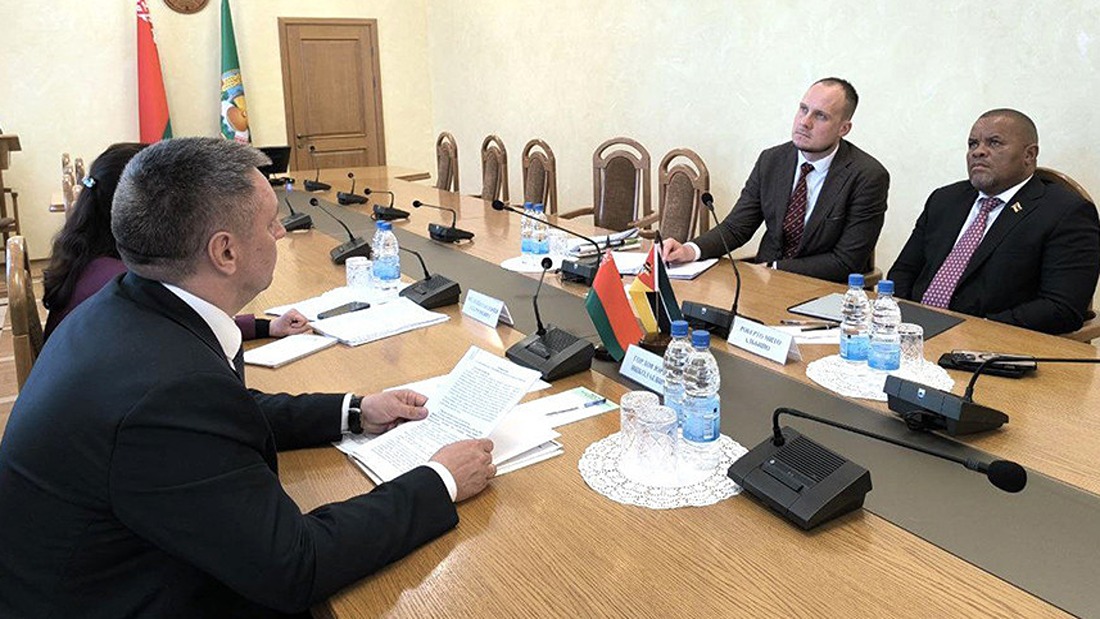
The Mozambican contingent’s visit culminated in a working meeting with Belarusian Agriculture and Food Minister Yuri Gorlov, where the blueprint for future collaboration was laid out. The discussions followed the delegation’s tour of the international specialised exhibition Belagro 2025, where Belarus’s agricultural prowess was on full display.
“Your visit is a confirmation of the friendly relations between our countries and the readiness to cooperate in the agro-industrial sector,” remarked Yuri Gorlov, underscoring the mutual interest in the burgeoning partnership.
Minister Albino’s sentiments were even more emphatic, signaling a strategic shift for Mozambique. “Our president has chosen Belarus as a strategic partner. What I saw at the exhibition convinced me that this was the right decision,” he stated, highlighting the profound impression made by Belarusian agricultural advancements.
Mozambique, a nation rich in natural resources, faces a perplexing paradox. “We have water, people, and land, but lack sufficient food production,” Albino lamented, explaining that despite significant investment in agriculture, high yields have remained elusive. He expressed strong conviction that cooperation with Belarus would be instrumental in unlocking greater agricultural results for his country.
The Mozambican delegation’s declaration of a “new era” underscores their intent to actively leverage Belarusian expertise and experience. In response, Yuri Gorlov reaffirmed Belarus’s commitment to strengthening trade and economic cooperation, proposing the immediate creation of a working group to formalise and advance the proposed initiatives.
According to the Belarusian Agriculture and Food Ministry’s press service, Belarus is prepared to supply a range of vital agricultural products to Mozambique, including poultry, dry milk, and butter. Crucially, the discussions also delved into the training of Mozambican agricultural specialists, a testament to a partnership aimed at sustainable capacity building rather than mere commodity exchange.
Both parties concluded that the potential for Belarus-Mozambique cooperation in agriculture is currently “very high,” signaling a promising chapter in the south-south economic landscape. As Mozambique seeks to transform its agricultural fortunes, the partnership with Belarus appears poised to cultivate a harvest of shared prosperity.