





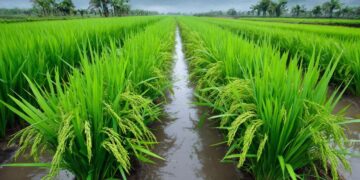


The sprawling rice paddies of Nicoadala, typically a vibrant green canvas, now lie dormant, their golden bounty safely gathered. Farmers in this fertile pocket of Zambézia province are toasting a remarkably successful first harvest, with rice output surging from 132,000 tonnes last year to an impressive 153,000 tonnes so far. This isn’t just a significant leap; it comfortably eclipses the 2025 target of 145,000 tonnes, underscoring the region’s agricultural might.
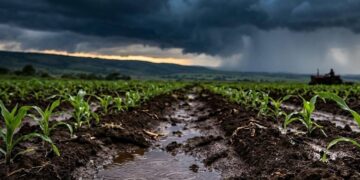
With roughly 41,000 hectares dedicated to rice, Nicoadala has truly proven its worth. Izelia Sabão, the district’s economic activities director who oversees farmer monitoring and production, beamed as she declared a “103% achievement” against the initial plan. The heavens, it seems, were on their side, with favourable rainfall playing a pivotal role in this year’s abundant yield, leaving local farmers optimistic about what lies ahead.
Yet, beneath the glow of this triumphant harvest lies a familiar, nagging concern: the desperate need for financial backing. Farmers are keen to expand their cultivated lands and bolster both production and distribution. But their ambitions are often kneecapped by the deplorable state of road access to markets – a persistent deterrent that erodes their entrepreneurial spirit.
While the rice flows freely from the fields, its journey to the dinner table is anything but smooth. The glaring absence of a local processing factory means farmers are currently forced to shuttle their hard-won harvest in open-back trucks to the city of Quelimane for storage. This logistical headache adds an unnecessary layer of complexity and cost to their already challenging operations.
For Zambézia province as a whole, the 2024/2025 agricultural campaign has earmarked a substantial 3 million hectares for cultivation, signaling the region’s immense, untapped agricultural potential. As the province continues to reap the rewards of its fertile lands, tackling these infrastructural deficiencies and providing vital financial lifelines will be absolutely crucial to truly unlock its full economic promise.