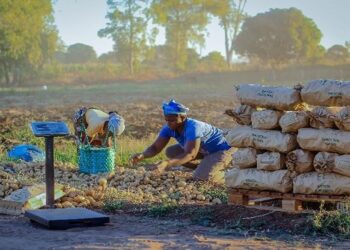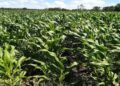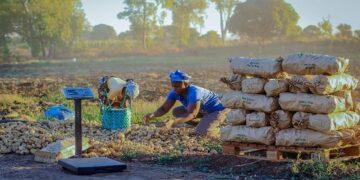
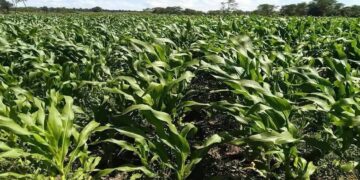




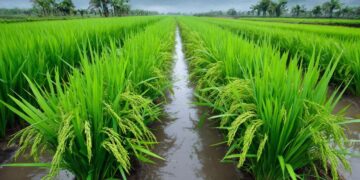

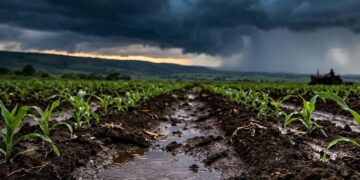



A quiet but potent revolution is underway in Northern Mozambique’s agricultural sector, offering a sustainable alternative to industrial farming and a defense against climate change. Farmers, led by the União Nacional de Camponeses (UNAC), are adopting agroecology—a method that merges traditional wisdom with ecological science—to transform arid land into productive fields.
This grassroots movement, detailed in the book Globalizando la esperanza, highlights how local communities are challenging the dominance of corporate agribusiness. The narrative points to a powerful transformation, quoting a young farmer, Amissi, who states, “If it weren’t for agroecology, all of this would be sand.”
Peer-to-Peer Learning Fuels Expansion
The successful scaling of this model hinges on the Campesino a Campesino (CaC) methodology, a decentralized, peer-to-peer system where farmers teach each other best practices. This low-cost, high-impact approach has been crucial in spreading agroecological techniques across the country, fostering strong networks of mutual support among peasant communities.
The movement is strengthened by transnational solidarity, notably through alliances with international groups like La Vía Campesina, which connects peasant initiatives across the Global South, from Latin America to Africa. This cooperative framework is reinforcing regional ties and sharing knowledge critical for sustainable development.
A Political and Economic Alternative
More than just a set of farming techniques, agroecology is being positioned as an epistemic-political alternative to the global agri-food system. As the logic of financial capitalism and agro-industrial empires pushes for monocultures and land consolidation, peasant communities are using agroecology to defend their land, food sovereignty, and livelihoods. Women are frequently at the forefront of these efforts, leading community-level transformation.
The movement champions biodiversity restoration and desertification combat, offering a viable pathway for economic resilience. By shifting focus to sustainable practices, Mozambique is demonstrating that it is possible to achieve both environmental protection and agricultural productivity, creating a model for a more just and hopeful economic future built from the ground up.