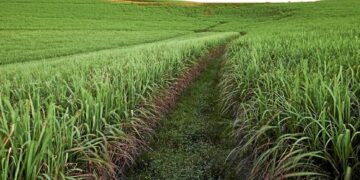




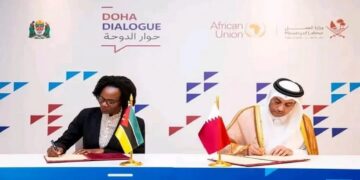




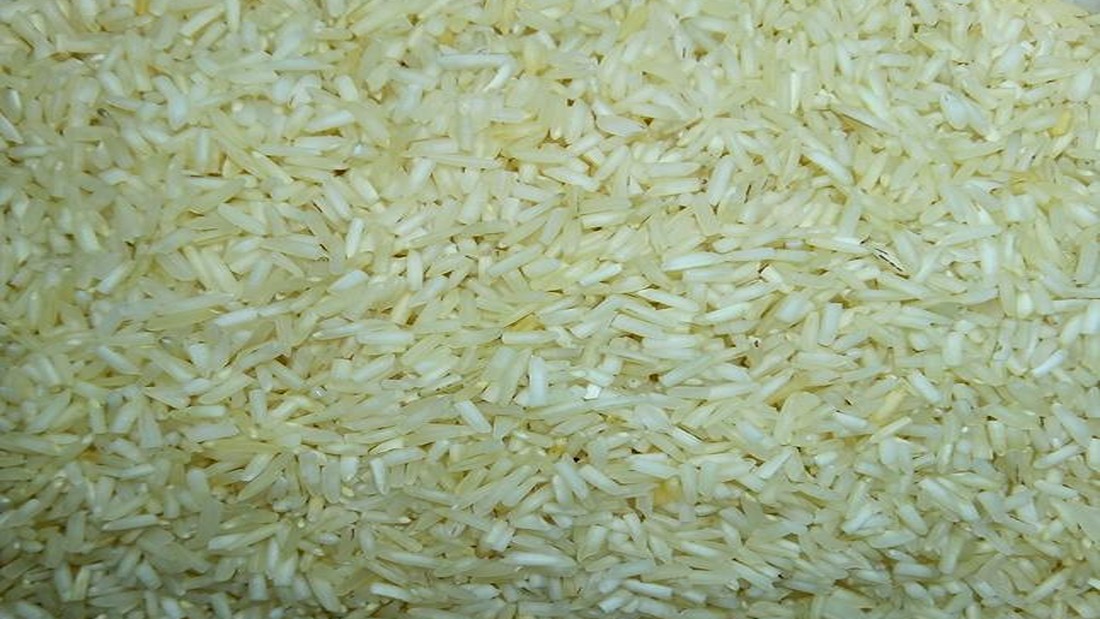
The African Development Bank Group (AfDB) has approved a $22.8 million grant to fortify Mozambique’s rice value chain, a critical move aimed at slashing the country’s heavy reliance on imports and tackling severe food insecurity.
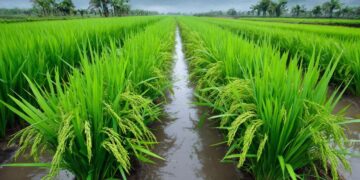
The funding, sourced from the concessional African Development Fund, will bankroll the Rice Value Chain and Climate Resilience Project (RIVACREP). The project’s ambitious goal is to elevate Mozambique’s rice self-sufficiency from its current 50% to 75% by 2030.
Mozambique, one of the world’s most food-insecure nations, currently consumes 600,000 tons of rice annually but produces only half that amount, forcing it to import a costly 300,000-ton deficit.
“By targeting the most vulnerable populations and focusing on climate-smart technologies, the grant will create a lasting impact on food security and rural livelihoods,” stated Macmillan Anyanwu, the AfDB Group’s Country Manager for Mozambique.
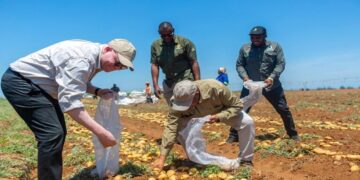
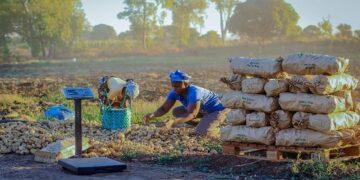
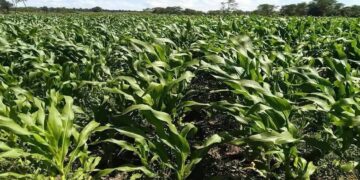
The five-year project targets 30,000 smallholder farmers across four provinces, with 70% of beneficiaries being women and 30% being youth. RIVACREP is designed to quadruple rice yields from one ton per hectare to four tons per hectare, which is expected to nearly double annual household incomes from about $590 to $1,000.
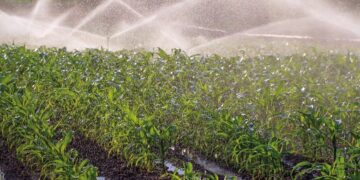
Key interventions include rehabilitating 1,000 hectares of irrigation infrastructure, constructing climate-resilient storage facilities, and establishing five small-scale milling factories alongside 10 aggregator centres through public-private partnerships. By introducing drought- and flood-tolerant rice varieties, the project aims to cut post-harvest losses by more than half, from 26% to 12%.
Neeraj Vij, the AfDB Group’s Regional Sector Manager, noted that RIVACREP will build a foundation for “an industrialized and climate-smart rice sector,” which will serve as a model for transformative value chain development.
Beyond production, the project addresses widespread malnutrition—including a child stunting rate of 44% in Zambezia—by promoting biofortified rice varieties rich in iron and zinc. Furthermore, a Contingency Emergency Response mechanism is included to provide rapid support during climate shocks and security crises.
The Ministry of Agriculture, Environment, and Fisheries will lead the project, which is scheduled to run from December 2025 to December 2030, marking a concerted effort to build a more self-reliant and resilient Mozambican economy.