


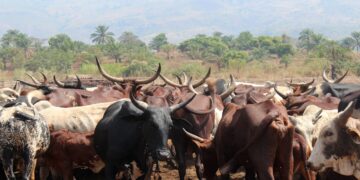






Mozambique has tightened its grip on livestock movement to combat a resurgence of foot-and-mouth disease (FMD). The disease, which has been detected in the districts of Massingir in Gaza province and Manhiça in Maputo province, poses a significant threat to the country’s livestock industry.
The authorities have imposed strict restrictions on the movement of cattle, goats, sheep, and pigs in several districts, including Chicualacuala, Mapai, Mabalane, Massagena, and Massingir. The ban extends to the movement of animals for both breeding and slaughter, as well as the transportation of livestock feed.
Veterinary teams are actively monitoring animal health in the affected areas, conducting weekly inspections and administering vaccinations. While the focus remains on Gaza province, authorities are gradually easing restrictions in Tete, Manica, and Niassa provinces due to improved animal health conditions.
To mitigate the risk of further outbreaks, Mozambique is working to identify the specific strains of the virus causing the current infections. Samples from infected animals are being sent to reference laboratories for analysis, which will inform the procurement of an appropriate vaccine for a second round of immunization.
Foot-and-mouth disease is a highly contagious viral illness that can cause significant economic losses to the livestock industry. By implementing stringent control measures, Mozambique aims to protect its livestock sector and safeguard food security.