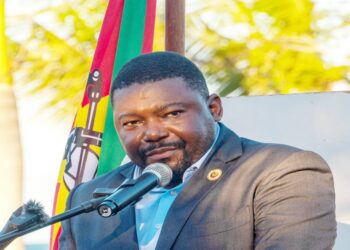








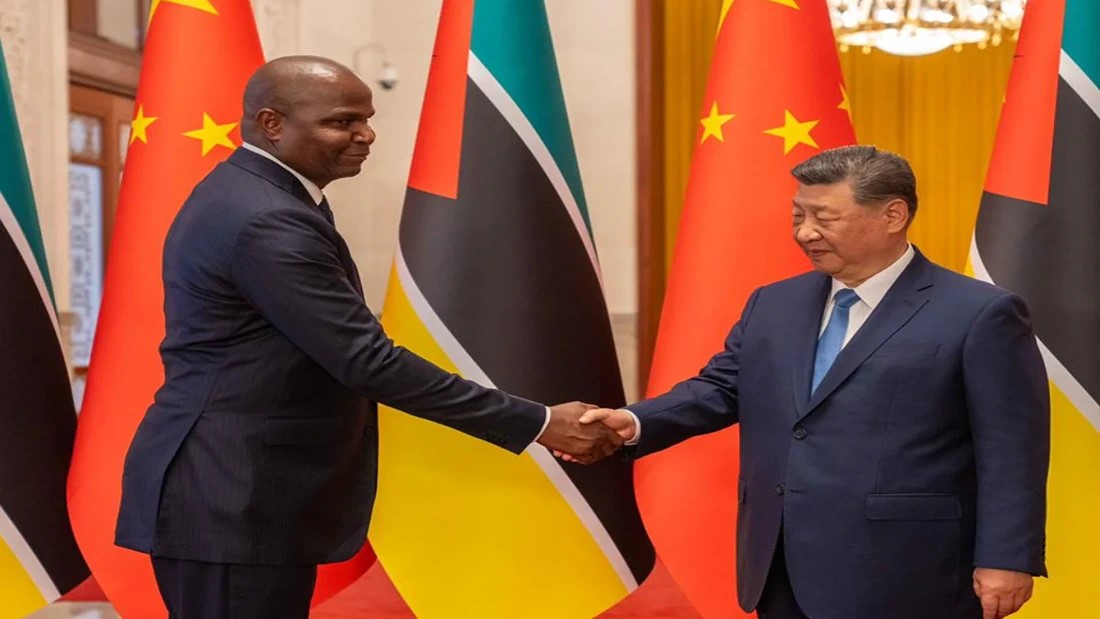
In a significant geopolitical shift that underscores Beijing’s deepening footprint across the African continent, Mozambique and China have entered into a sweeping strategic agreement designed to unlock one of the world’s most promising resource frontiers. This comprehensive partnership, solidified during high-level talks between President Xi Jinping and President Daniel Chapo in Beijing, integrates defence cooperation, large-scale geological mapping, and industrial investment. At the heart of this deal lies Mozambique’s staggering natural wealth, most notably the 5 trillion cubic metres of natural gas situated within the Rovuma Basin and an array of critical minerals essential for the global transition to green energy.
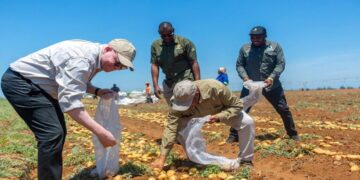
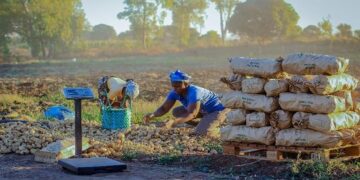
The collaboration marks a distinct departure from traditional extractive models, with China committing to a full-package approach that combines resource assessment with the development of local infrastructure and industrial processing plants. By utilising platforms such as the China-Africa Geoscience Cooperation Centre, Beijing intends to map and evaluate underexplored deposits of graphite, lithium, and rare earth elements in Mozambique’s northern provinces. This initiative is explicitly designed to help the nation transition from a raw material exporter to a country with a robust domestic industrial base, supported further by expanded agricultural trade through zero-tariff “green channels” and logistics cooperation.
“China is willing to explore new paths for cooperation in infrastructure and comprehensive energy and mineral development.” President Xi Jinping
Security remains a pivotal component of this bilateral framework, particularly as northern Mozambique continues to grapple with a violent insurgency in Cabo Delgado that has displaced over a million people and stalled major energy projects. China has pledged to bolster Mozambique’s counter-terrorism efforts through specialised training, equipment, and joint military exercises, aimed at stabilising the volatile regions where these strategic gas and mining operations are located. This security commitment serves as a protective layer for the long-term investments Beijing is pouring into the region, ensuring that development can resume in earnest.
While the United States has focused its strategy on securing specific supply chain positions such as the International Development Finance Corporation’s equity stake in the Balama graphite mine China’s state-led model offers a broader, more integrated alternative. By weaving together financing, security, and industrialisation, Beijing is positioning itself as the primary partner for Mozambique’s economic future. This multifaceted strategy not only secures China’s access to vital energy and mineral reserves but also reinforces its overarching dominance within Africa’s rapidly evolving resource sector.