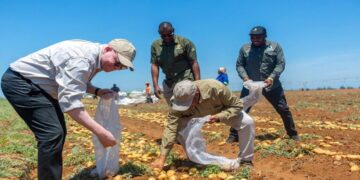
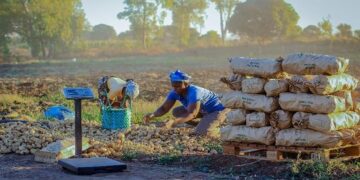
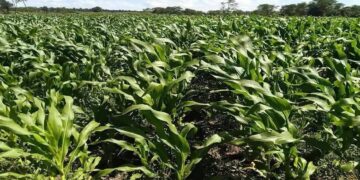




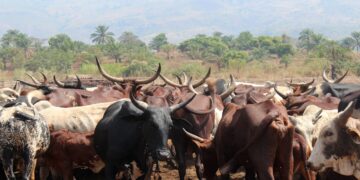
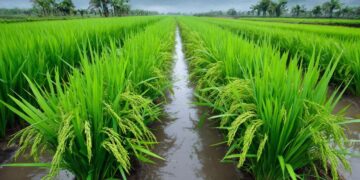







Agricultural output in Mozambique has witnessed a significant surge of 15.7% during the 2024/2025 season, with total production surpassing 352.2 million tonnes. This impressive performance, documented in the latest budget execution report, represents a substantial increase from the 304.5 million tonnes recorded in the previous cycle. The growth was particularly pronounced in the horticultural sector, which saw a remarkable rise of 39.3% to reach 112.7 million tonnes, while cereal production also enjoyed a healthy boost of 19.9%, totalling 57 million tonnes.
The favourable outcomes of the season were largely attributed to shifting climatic patterns that provided a more stable environment for cultivation. According to the official report from the Ministry of Agriculture, Environment and Fisheries, the transition from neutral conditions toward a specific weather phenomenon played a crucial role in meeting production targets. The document explicitly notes that the 2024/25 agricultural season took place under the influence of a neutral El Niño, with trends towards La Niña, contributing to the achievement of the expected production levels for this harvest.
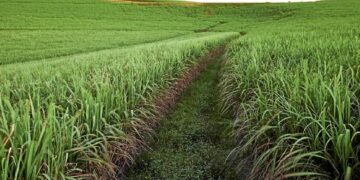
Beyond staples, the commercial sector showed signs of resilience and recovery. Nut production, led primarily by the cashew industry, climbed by 37% to reach 195,000 tonnes. Sugarcane also saw a modest rise of 2% to 1.8 million tonnes, a success credited to the gradual rehabilitation of sugar estates that had previously been devastated by extreme weather and cyclones. Despite these gains, the sector operated under immense pressure, with nearly 98% of the planned 7.2 million hectares being sown despite a context of persistent adversity.
However, this growth remains precariously balanced against ongoing environmental threats. Recent flooding in the southern regions has already compromised over 440,000 hectares of crops, resulting in the total loss of 275,405 hectares and threatening the livelihoods of more than 314,000 farmers. While floods have been devastating, drought remains the primary antagonist for Mozambican agriculture; approximately 58% of the 789,419 farming families affected by adverse weather this season suffered specifically due to lack of rainfall, underscoring the severe and varied impact of the current climate crisis on the nation’s food security.