


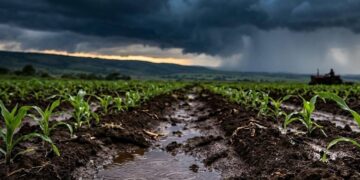






MAPUTO – A high-level consortium comprising Solidaridad, the HEINEKEN Africa Foundation, Kvuno, and Hiveonline has formally commissioned the Promoting Regenerative Agriculture for Sustainable Livelihoods (PRASL) project, a strategic venture designed to institutionalize restorative farming practices in southern Mozambique. Launched in 2025, the three-year programme targets 4,000 smallholder farmers in the Boane District, signaling a major private-sector push to bridge the gap between ecological restoration and commercial viability for rural producers.
The initiative arrives at a critical juncture for Mozambican agriculture, where soil degradation and climate volatility have historically hampered the creditworthiness of small-scale growers. By focusing on regenerative techniques that restore topsoil and ecosystem health, the PRASL project aims to stabilize yields while simultaneously building a “digital footprint” for farmers. This data-centric approach is intended to transform subsistence plots into bankable enterprises, particularly for the project’s primary demographic of women and young adults, who represent 60% and 30% of the target participants respectively.
“In close partnership with HEINEKEN Mozambique and Solidaridad, we are embarking on a journey to transform the lives of 4,000 smallholder farmers in the Boane District over the next three years,” said Edwin Moerkerk, general manager of the HEINEKEN Africa Foundation. “Through this collaboration, we aim to indirectly benefit more than 20,000 people, creating a ripple effect of prosperity and resilience across local communities.”
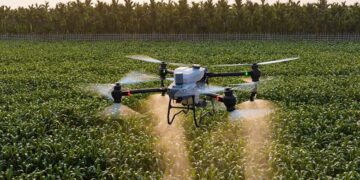
A distinctive feature of the PRASL framework is its integration of fintech and agritech tools to overcome structural barriers like land access and high infrastructure costs. Through the use of Kvuno Farmer IDs and Hiveonline’s digital platform, farmers can now record production data and financial behavior in real-time. This transparency is expected to unlock formal financing opportunities that were previously out of reach for family-sector farmers, providing the necessary liquidity to invest in climate-resilient infrastructure such as shade-net structures.
The economic impact of the project is already being felt on the ground, as participating groups like the Empowered Girls Association report improved decision-making capabilities driven by localized weather and market price data. By equipping farmers with the tools to negotiate fair prices and optimize planting schedules, the consortium is betting that data-driven interventions will provide a more sustainable path to wealth creation than traditional aid-based models.
Ultimately, the PRASL initiative serves as a pilot for a more integrated agricultural value chain in Mozambique, where the interests of multinational corporations and local producers align through environmental stewardship. As the project progresses, the emphasis on local ownership and digital visibility is intended to ensure that the economic momentum generated in Boane persists long after the initial three-year investment cycle concludes.